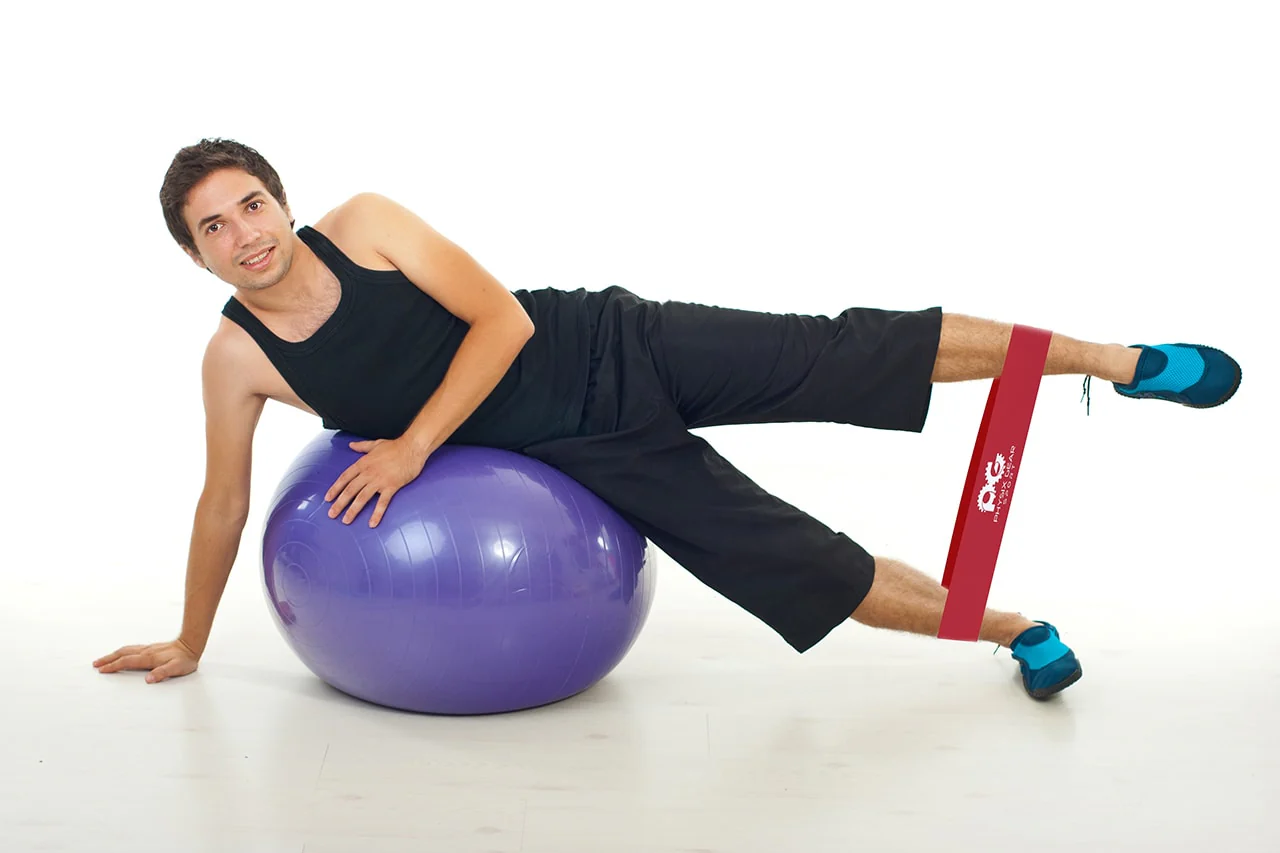
Functional exercises focus on movements that mimic everyday activities, helping you build strength that directly improves daily life. Unlike isolation exercises, functional training engages multiple muscles and joints simultaneously, enhancing coordination, stability, and overall performance.
Why Functional Training Matters
Functional exercises improve your ability to perform real-world tasks such as lifting, carrying, pushing, and bending. They enhance balance, core stability, and joint health while reducing the risk of injury. Training movements rather than isolated muscles ensures that strength gained in workouts is transferable to daily life.
Upper-Body Functional Exercises
Push-ups, band-assisted rows, and overhead presses strengthen the chest, back, shoulders, and arms. Pull-up resistance bands are particularly useful for performing assisted pull-ups and rows safely while teaching you to pull up resist controlled tension. These exercises improve pulling and pushing strength, which is essential for tasks like lifting groceries or moving furniture.
Lower-Body Functional Exercises
Squats, lunges, step-ups, and hip hinges engage the quads, glutes, hamstrings, and calves in patterns that mimic real-life movements. Adding resistance bands increases muscle engagement without heavy weights, improving strength for activities like climbing stairs, lifting objects, or maintaining balance.
Core Exercises for Functional Strength
A strong core stabilizes the spine and supports overall movement. Planks, side planks, rotational twists, and band-resisted anti-rotation exercises strengthen the abdominals, obliques, and lower back. Using pull-up resistance bands in these movements helps you learn to pull up resist tension while maintaining stability and control.
Structuring a Functional Workout
A home functional workout can include 5–6 exercises targeting the upper body, lower body, and core. Perform 2–3 sets of 8–12 controlled repetitions, focusing on full range of motion and proper technique. Incorporating resistance bands allows progressive challenge while maintaining joint-friendly movements.
Final Thoughts
Functional exercises build strength that directly translates to daily life. Incorporating pull-up resistance bands allows you to safely pull up resist controlled tension while engaging multiple muscle groups. Regular practice improves strength, coordination, and overall functional fitness, making everyday activities easier and safer.